Guide 02 / circuit pacing
How to build a two-museum day
Two museums work when they add contrast without consuming the day in traffic, arrival uncertainty and visual fatigue.
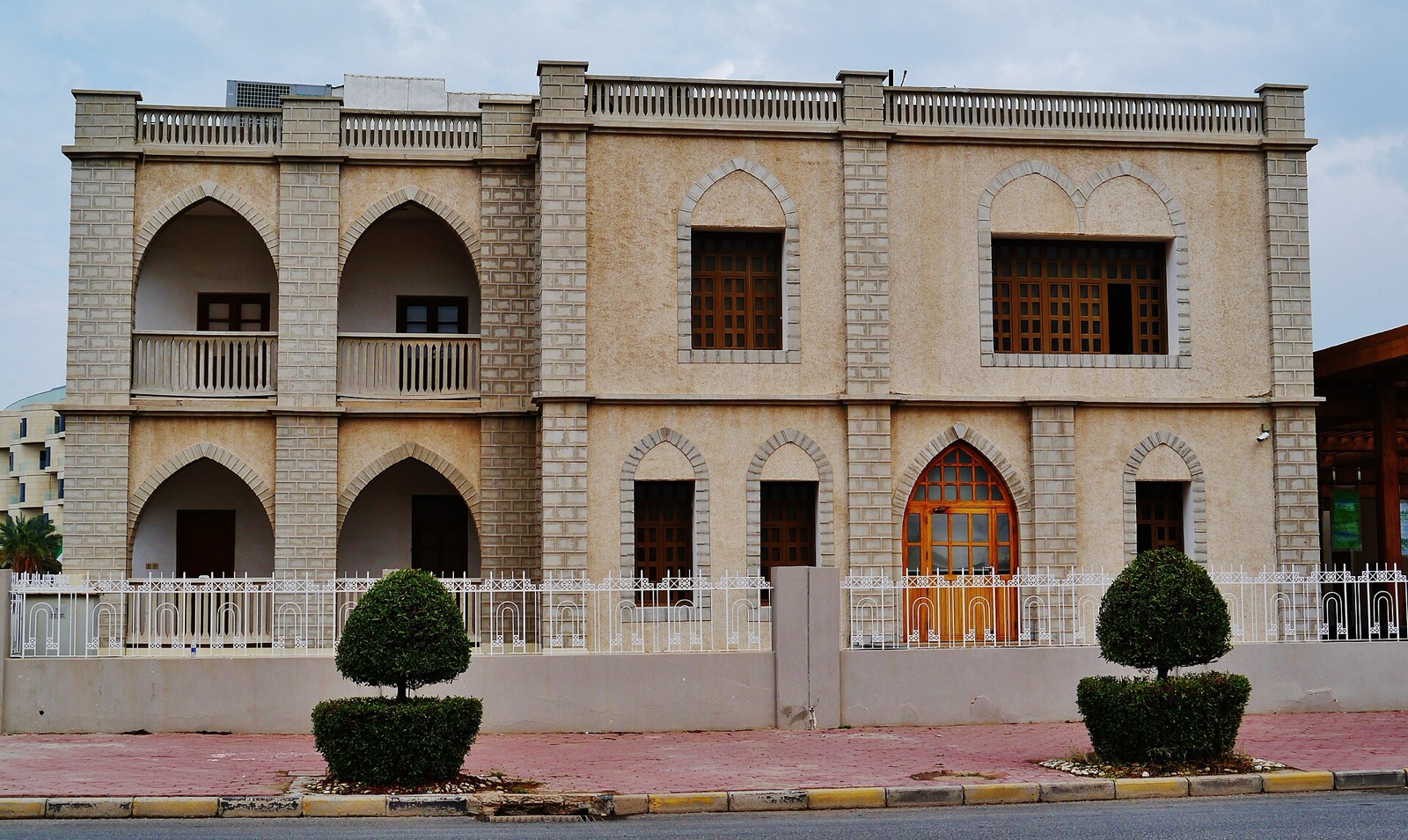
A museum circuit is not a race. The second visit should answer a different question, sit within a realistic route and leave enough attention for both institutions. Start only after confirming that each museum is open, accessible and compatible with the same date. Do not create a precise timetable from generic web hours; operational details need current responsible sources.
Pair by contrast
A broad institutional museum can pair with a focused material collection. A palace narrative can pair with self-directed object looking. Contrast helps the second museum feel like a new mode of attention rather than more of the same. Two dense decorative-art collections may produce fatigue unless your research question specifically benefits from comparison.
Pair by geography
Map the actual public entrance, not only the institution name. Estimate travel under conditions appropriate to the day and add buffer for parking, drop-off, walking and security. A short line on a map can become a difficult transfer in heat or traffic. Avoid choosing a second museum only because it appears close at a city-wide zoom.
The circuit test
If removing the second museum makes the day calmer and does not weaken your main question, one museum is the better plan.
Respect emotional intensity
Al Qurain Martyrs Museum should not be treated as an interchangeable slot between cheerful attractions. If it is part of the day, allow transition time and consider placing it where you can reflect afterwards. Pairing it with broad historical context may be useful; pairing it with an immediate celebratory or shopping stop may feel abrupt for some visitors.
Put fixed access first
If Al Salam Palace or another institution uses timed, guided or reservation-based access, anchor the circuit around that verified commitment. Give arrival buffer and do not place a large museum immediately beforehand. A self-directed collection is often easier to adjust, but only if its current hours and last admission support the plan.
Use heat and daylight intelligently
Minimise exposed transfers during the hottest part of the day. Know which venue has an indoor waiting area or a clear entrance only from current information. Carry water as local rules allow and do not assume a museum café exists. Outdoor façades and memorial grounds may require shorter observation in severe conditions.
Limit the object target
Choose one question per museum. At the first, follow national narrative or room sequence; at the second, compare three objects or one material. Do not try to “complete” both. Leave a meal or rest break with no interpretive task between them. Fatigue reduces label accuracy and increases contextless photography.
Build a real fallback
Your fallback should be in the same general district and must also be verified, but it need not be another museum. A public space, meal or return to the hotel may be the honest alternative. Recheck both institutions on the day, preserve any booking conditions and accept that one strong visit is better than two rushed ones.