Review 02 / memorial site
Al Qurain Martyrs Museum: leave room to reflect
This preserved house is tied to violent events during the Iraqi occupation of Kuwait. Visit as a memorial and historical site, not as a dramatic backdrop.
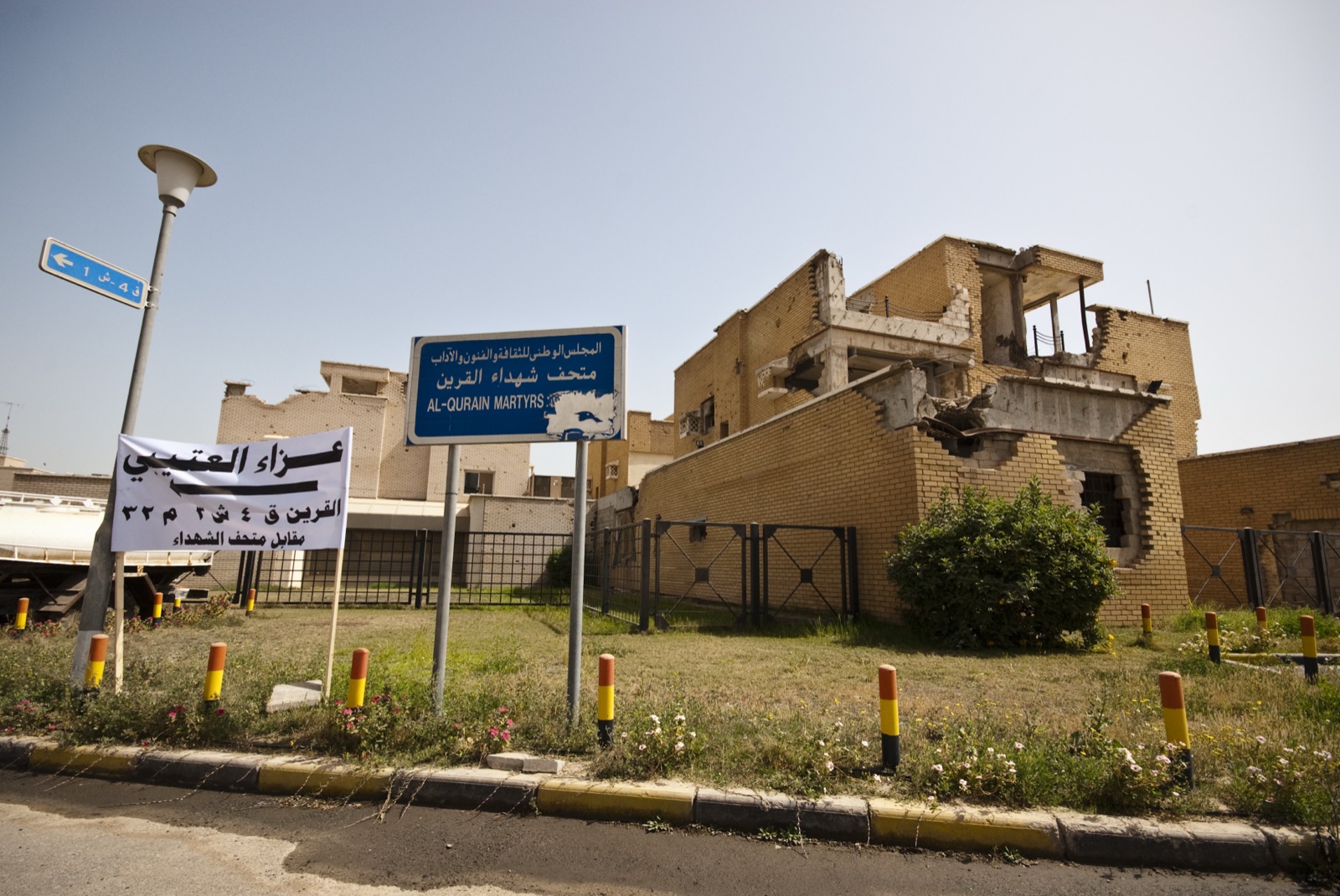
Al Qurain Martyrs Museum preserves a house associated with armed resistance and a battle during the Iraqi occupation of Kuwait. The site carries physical damage, personal loss and national memory in the same space. That combination changes the visitor contract: photography, movement and interpretation should respect the memorial function, and the visit should not be compressed into a fast circuit of visual highlights.
Best fit: recent history in place
Choose Al Qurain when you want to understand how a historical event is remembered through a specific building. Unlike a general history gallery, the architecture is evidence. Walls, openings, impact damage, preserved rooms and later interpretive additions may interact. Use official panels to distinguish original fabric, conservation, reconstruction and memorial presentation.
Prepare for the subject
The site concerns conflict, death and occupation. Visitors may encounter damaged domestic space, weapons-related interpretation, names or accounts of those killed. Families should consider whether the content suits younger visitors and be ready to explain why the building is preserved. Emotional intensity is not a marketing feature; it is a practical part of planning.
The key planning question
Do you have time and attention to visit a memorial site without rushing immediately into a light entertainment stop?
Do not aestheticise damage
Broken masonry and impact marks can produce dramatic photographs, but composition should not detach them from the people and events being remembered. Take wide context where permitted, avoid performative poses and do not climb, touch or arrange anything. A respectful caption names the site and relies on its historical interpretation rather than inventing a tactical account from visible damage.
Separate evidence from reconstruction
A preserved conflict site often combines original fabric with stabilisation, later repair, displays and explanatory devices. The boundary may not always be visually obvious. Record what an official panel identifies. “Visible damage on the exterior” is an observation; naming the exact weapon, moment or participant requires documented evidence.
The residential setting matters
The building began as a home, and that domestic scale is central to the impact of the site. Notice doors, stairs, room relationships and the surrounding neighbourhood without treating private nearby life as part of the display. Keep noise low, follow routes and respect residents. A map pin may bring you to the area without clarifying parking or the current entrance.
How long and what next?
Duration varies with interpretation and your response, but leave an unprogrammed buffer afterwards. If combining it with another museum, choose a transition and travel break rather than an immediate photo-oriented attraction. A broader national-history institution can add context on another part of the day, though only if both sites are confirmed open and the schedule remains humane.
Who may choose another museum?
Visitors seeking decorative arts, design or a light family activity may prefer a specialist collection. Anyone for whom recent conflict content is difficult should make an informed choice rather than feeling that the museum is mandatory. Historical importance does not erase individual limits. Those who visit should give the site the seriousness its subject requires.
Record names and dates accurately
If interpretation names individuals, groups or a sequence of events, photograph or transcribe the official panel where permitted rather than relying on memory. Conflict histories are especially vulnerable to simplified captions. Preserve the institution's wording, distinguish a quoted account from your observation, and avoid turning one room or impact mark into evidence for the entire battle.
After the visit
Give yourself a quiet interval before editing photographs or posting. Check that captions do not identify private nearby homes, turn damage into spectacle or claim a weapon and event the official record did not establish. A wider contextual frame—or no public post—may be the more respectful choice.
Verify before departure
Confirm current opening, entrance, date-specific hours, admission, accessibility and photography rules with the responsible authority. Memorial protocols and display routes can change. This independent article cannot confirm live access, offer a tour or interpret every physical mark. On site, staff instruction and official historical material take priority.