Review 03 / palace narrative
Al Salam Palace Museum: architecture tells part of the story
Room sequence, restoration and state narrative are intertwined here, so the visitor should notice how the museum uses the palace—not only what it says inside it.
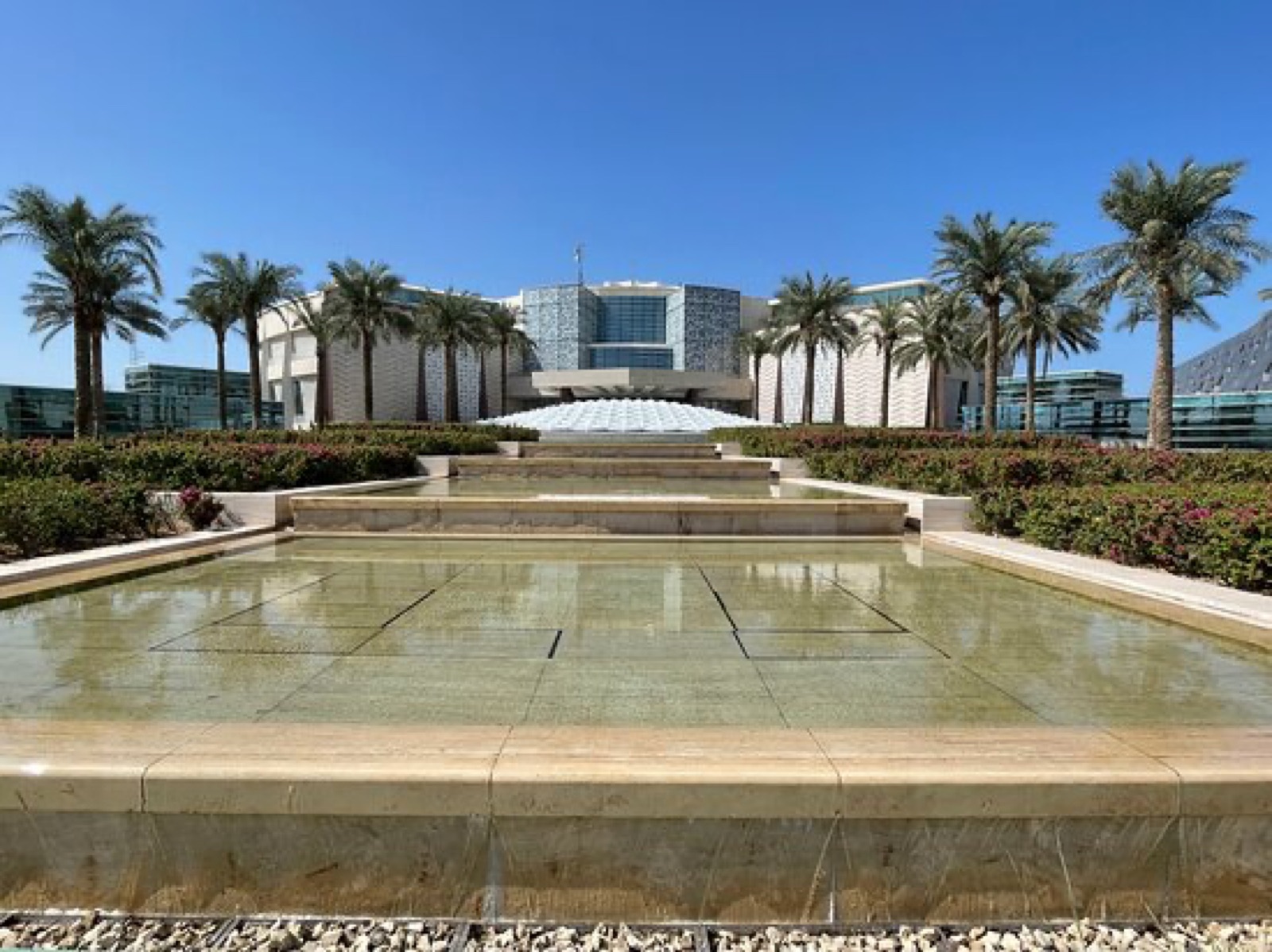
Al Salam Palace Museum is a different proposition from an object-dense collection. The palace building, its restoration and the historical narrative presented through it are all parts of the visit. That makes route and access especially important: a structured or booked experience may shape which rooms are seen and in what order. Verify the current visitor model directly rather than assuming casual walk-in access.
Best fit: architecture plus state history
Choose this museum if you value interiors, restoration, formal spaces and a curated account of political and social history. The building gives narrative scale: thresholds, halls and room transitions can organise chronology and ceremony. A visitor interested only in freestanding artefacts may find another museum more direct, while someone attentive to architecture can treat the palace itself as the primary object.
Follow the room sequence
Notice what the route reveals first, which spaces serve as transitions and where interpretation pauses. A palace museum often turns circulation into storytelling. The current route may reflect conservation, security and visitor management as much as original use. Do not assume that today’s entrance, furniture arrangement or sequence reproduces one historic moment exactly.
The key planning question
Is entry currently walk-in, timed, guided or reservation-based—and what identification or arrival time does the responsible museum require?
Restoration should remain visible as history
A restored palace contains more than an untouched original and a modern replica. Conservators may stabilise, reconstruct, replace or reinterpret damaged fabric using documented evidence. Look for panels explaining campaigns and material choices. Visual smoothness cannot prove originality; a weathered area is not automatically older. Use museum interpretation before assigning a date to finishes or fixtures.
Read furnishings carefully
Furniture, photographs, documents and decorative objects can establish atmosphere and narrative, but their relationship to a particular room may vary. Ask whether an item is original to the palace, associated with a person or period, transferred from another collection or used as interpretation. A luxurious object should not be credited to a named ruler or event unless its record supports that connection.
Photography may shape the pace
Formal interiors encourage wide-angle photography, yet group routes and security rules may limit where visitors can pause. Follow staff instructions, avoid blocking doors and do not step outside the designated route for symmetry. If photography is restricted, focus on room relationships and make notes later. A published exterior image cannot establish interior policy.
Who will value it most?
Visitors interested in twentieth-century architecture, state formation, diplomatic or ceremonial spaces and conservation may find the museum especially rewarding. It can also suit first-time visitors who prefer a structured narrative. Those wanting self-directed close looking or a large diversity of portable objects may be happier in a specialist collection.
Pairing the visit
If access is confirmed and the schedule allows, pair the palace with a contrasting object-based museum rather than another intensive narrative site. Build travel and arrival buffer around any timed entry. Avoid placing a memorial visit immediately before a celebratory palace experience without considering the emotional transition and geographic route.
Keep an architecture note
Sketch a simple sequence of rooms or write three transitions: compressed to open, public to controlled, decorated to restrained. The note captures spatial experience without pretending to be a measured plan. Mark where the museum route, barriers or restored finishes shape perception. This will be more useful later than isolated ceiling photographs with no room sequence.
What a guided route changes
A guide or timed route can supply context and protect sensitive spaces, but it also determines pace. Listen for the source of dates and restoration claims, save questions for permitted moments and accept that some rooms may allow no pause. A structured visit is a different museum form that should be reviewed on its own terms.
Verify before departure
Confirm opening status, booking method, arrival instructions, identification requirements if any, language support, accessibility and photography through the responsible museum. Do not send personal information to an unofficial listing. This site does not take reservations or guarantee entry; its purpose is to explain the character of the visit.