Review 04 / specialist collection
Tareq Rajab Museum: follow the collector's eye
The strength of this visit is material density. Ceramics, jewellery, textiles and other object groups reward comparison—but can overwhelm a visitor who tries to photograph everything.
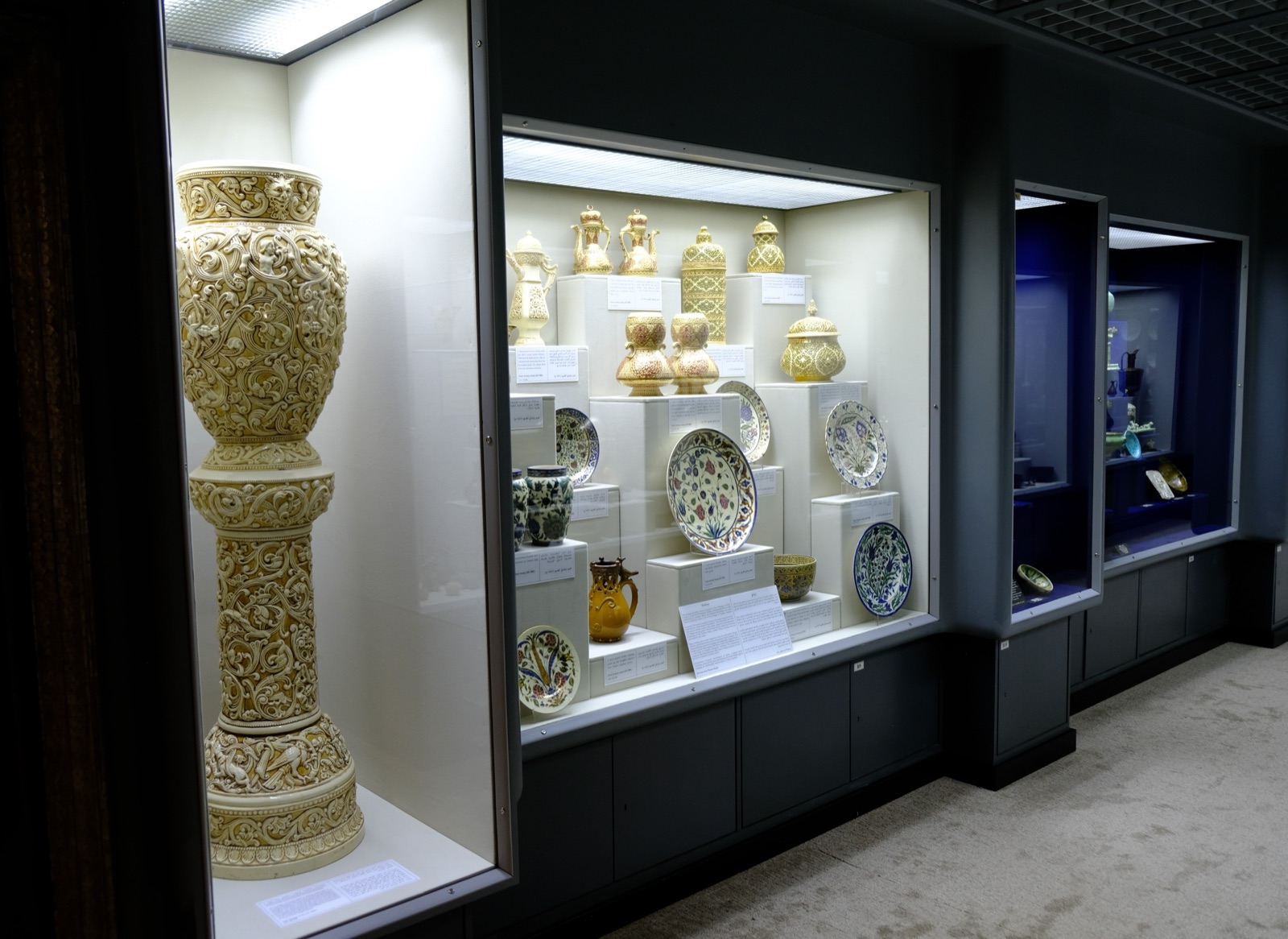
The Tareq Rajab Museum is known as a private collection with substantial holdings in art and material culture, while a related calligraphy museum has its own specialist identity. Visitors should confirm which museum they intend to visit and where it is located. Within the broader museum, density is part of the appeal: groups of ceramics, metalwork, jewellery, textiles, costume and other objects can create rich comparisons when approached selectively.
Best fit: material culture and collecting
Choose this museum if you like looking across object families and noticing how form, ornament and technique shift. It is less about one national chronological story than about the range and decisions of a collection. That collector's perspective is valuable, but it also means that geography, date and provenance should come from labels rather than from visual resemblance.
Pick one material route
Before entering, choose ceramics, jewellery, textiles, metalwork or another active display category. Compare three objects within that family: support, construction, surface, use and condition. Only then cross to another material. This protects attention and prevents the galleries from becoming an undifferentiated field of beautiful things.
The key planning question
Are you heading to the main Tareq Rajab Museum or the Museum of Islamic Calligraphy? Confirm the official name and location before departure.
Private collection does not mean casual record
An object still needs title, material, date range, place wording and collection identification. Copy these carefully. A display group may organise objects by medium or visual relationship rather than archaeological context. Do not infer that objects shown together were made together, used together or acquired through the same history.
Surface can mislead
Lustre, glaze, patina, gilding and polished metal respond strongly to case light. A photograph may intensify or suppress colour, while reflections imitate decoration. Look from two permitted angles, keep the case edge out of your body space and preserve a natural frame. Use the label for material and technique; do not authenticate precious metal, stone or age by eye.
Collections create their own narrative
Ask why one object group appears beside another. The arrangement may foreground technique, region, chronology, collecting history or pure visual comparison. If no panel explains the logic, describe the sequence without inventing curatorial intent. The museum's character includes both objects and the way a private collection has been assembled and presented.
Who will value it most?
Designers, collectors, craftspeople and visitors interested in decorative arts will find much to hold attention. It also suits return visits because one material route can be chosen each time. A first-time visitor seeking a broad account of Kuwait may prefer the National Museum when its galleries are accessible. Anyone interested primarily in script should check the separate calligraphy museum.
How much time?
Allow a focused block rather than an attempt at completion. Stop after several cases to write one comparison and one question. Dense display can cause visual fatigue before physical fatigue becomes obvious. If combining museums, pair this with a contrasting historical or architectural visit and include a travel break.
Make one cross-case comparison
After following a single material, choose one object in another case that shares a form or decorative problem. Compare how the two materials handle an edge, opening, repeated motif or reflective surface. Keep the date and geography from each label attached. The exercise reveals collecting relationships without claiming that visually similar objects had direct historical contact.
Photography needs restraint
Dense cases create reflections and accidental overlap. Take a whole-case frame before a detail, avoid pressing against glass and include the label separately. A tight crop can make neighbouring objects look like one assemblage. When lighting hides a surface, note the limit instead of applying edits that invent colour, material or missing ornament.
Verify before departure
Confirm the exact museum, location, opening status, date-specific hours, admission, accessibility and photography rules through a current responsible channel. Map listings can blur similarly named institutions. This independent review neither guarantees access nor evaluates every object; it offers a method for making an object-rich visit manageable and accurate.