Review 01 / broad context
Kuwait National Museum: use it as a first frame
A national museum can connect archaeology, heritage and collective memory, but the quality of a particular visit depends on which buildings and galleries are actually accessible.
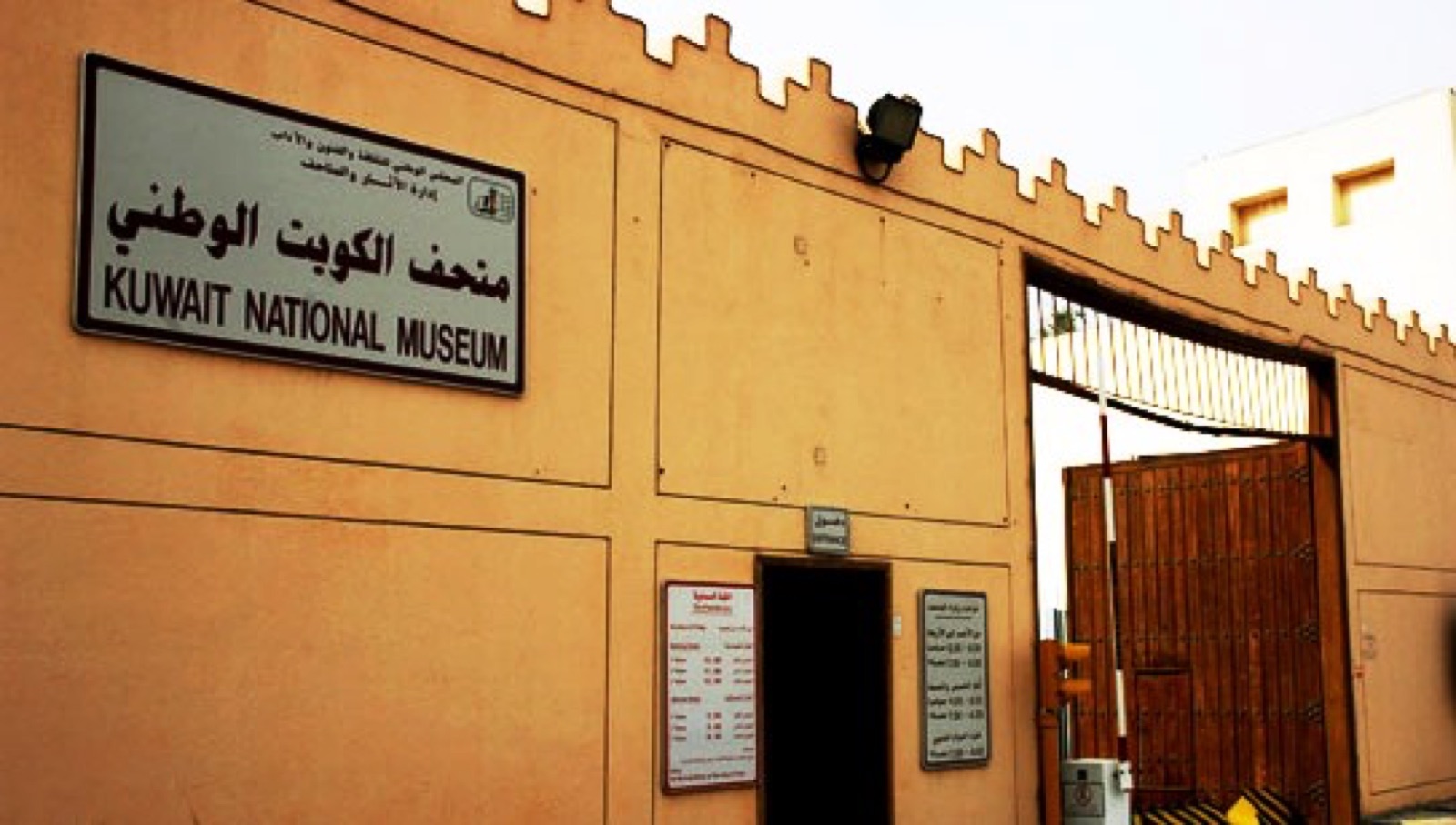
Kuwait National Museum is the logical institution to consider when a visitor wants a broad cultural frame rather than a single specialist collection. Its role connects archaeological material, heritage narratives and national cultural presentation. Yet a responsible review must separate institutional importance from current access: buildings, galleries and displays can change through restoration or reinstallation. Confirm exactly what is open before making it the anchor of a day.
Best fit: a first cultural orientation
Choose the museum when your main question is how different historical layers are assembled into a national narrative. Archaeological material can extend the frame beyond the modern city, while heritage displays may address everyday life, maritime connections and social practice. Avoid expecting one linear “complete history.” Museums select, group and interpret; the sequence itself deserves attention.
Read gallery boundaries
Notice when the visit shifts from excavated object to reconstructed scene, archival photograph, model or later heritage object. Each kind of evidence works differently. A reconstruction can communicate scale and arrangement but is not the original setting. A model simplifies. An archaeological object needs a findspot and record. Do not blend all of them into one undifferentiated picture of the past.
The key planning question
Which galleries, buildings and displays are open on your exact date? Ask this before looking for hours, because a partially accessible museum may still require a different plan.
Archaeology needs provenance
When an object label provides site, period, material and inventory number, keep those fields separate. “From Kuwait” can be too broad to explain an archaeological find. A place of excavation, historical production and current collection are different. If a label uses a date range or uncertain attribution, preserve it rather than making the caption more precise than the evidence.
Heritage scenes require a second look
Room settings, figures and grouped tools can make daily life legible, but ask what is original, reconstructed or representative. A displayed tool may be historic while its present arrangement is modern interpretation. Read the panel before attaching the scene to a precise family, district or year. The value of the display lies in opening questions, not guaranteeing that every detail coexisted exactly as staged.
Do not rush the exterior context
The museum complex and its urban position form part of the visit. Photograph the whole building where permitted and record the entrance actually in use. A general image or map pin may not identify today's public access point. In hot weather, knowing the correct arrival side and indoor waiting conditions becomes a real accessibility issue rather than a minor logistical detail.
Who may prefer another museum?
Visitors seeking a highly focused object collection may prefer Tareq Rajab Museum. Those interested specifically in conflict memory may find Al Qurain more direct, while palace architecture and state narrative point toward Al Salam Palace. National Museum is strongest when breadth and institutional context are the priority—provided its active galleries match that expectation.
How much time?
Do not assign a rigid duration before verifying what is open. For an active set of galleries, plan a focused block plus buffer rather than squeezing the museum between distant stops. Choose one theme—archaeology, maritime history, material life or display method—and keep short notes. If access is limited, resist inflating a brief visit into a complete review of the institution.
Leave with one timeline break
Instead of copying every date, note one transition the display makes: archaeology to heritage, maritime work to urban change, or object to reconstruction. Ask what kind of evidence supports each side. This reveals how the museum constructs continuity while keeping different sources distinct. If a gallery gap or closed area interrupts the sequence, record the gap rather than assuming what it contains.
Verify before departure
Use the responsible museum or cultural authority to confirm opening status, active galleries, exact entrance, date-specific hours, admission, accessibility and photography. Do not rely on an old blog, map listing or photograph as live proof. This review describes why the institution may fit your visit; it does not guarantee its current operational state.